
Remove Dense Overgrowth and Expose Usable Ground
Land clearing in Seymour for overgrown residential and commercial lots requiring tree, brush, and debris removal
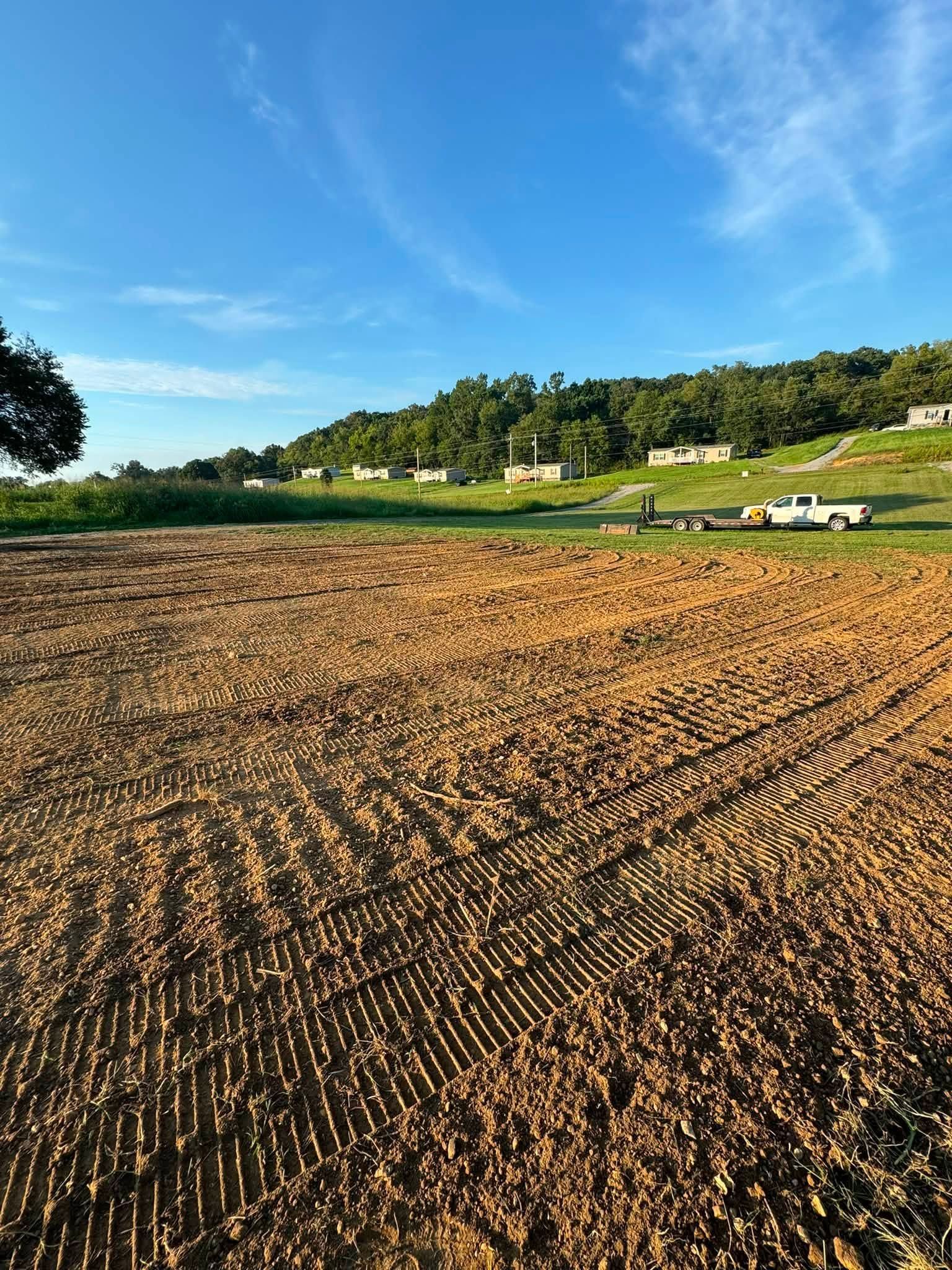
Knoxville Land Management clears overgrown residential and commercial lots across Seymour, removing trees, brush, and debris to expose buildable land. Properties in the Tennessee foothills often accumulate dense tree cover and aggressive regrowth that prevents construction, creates erosion risk on slopes, and limits property use. Once clearing is complete, you see bare ground ready for grading, building, or site work—without stumps, root systems, or vegetative debris left behind.
The work involves forestry mulching and selective tree removal to process material directly on-site. Mulching breaks down wood and brush into chips that remain on the ground for erosion control or future grading, cutting haul costs and landfill fees. Selective removal targets large timber or hazard trees that require felling before the mulcher processes surrounding growth.
Schedule a property evaluation to identify clearing scope and equipment requirements for your lot.
Land clearing uses skid steer equipment and forestry mulching attachments to process standing timber, saplings, and brush into mulch on-site. The mulcher grinds vegetation at ground level, leaving a layer of wood chips that stabilizes soil and prevents immediate regrowth. Large trees are felled and either bucked for removal or fed into the mulcher depending on diameter and client preference.
After clearing, you see exposed soil or a uniform mulch layer across the property. The lot becomes accessible to excavation equipment, surveyors, and construction crews. Slopes that were previously unstable due to root decay or overgrowth now hold mulch that reduces runoff and erosion until grading or permanent ground cover is installed.
Knoxville Land Management recently acquired skid steer equipment to handle excavation and clearing operations at scale, which allows for efficient processing of lots ranging from quarter-acre residential parcels to multi-acre commercial sites. The approach reduces the need for multiple contractors and separate debris hauling, keeping the project on one timeline.
Questions Property Owners Usually Ask
Clearing work generates practical questions about process, cost factors, and what remains after the job is finished. These answers address the details that affect planning and budget.
What happens to the material after it's cleared?
Forestry mulching processes most wood and brush into chips on-site, which remain as ground cover for erosion control or are spread evenly for future grading. Larger logs or non-processable debris are hauled off-site if requested.
How does clearing prevent erosion on sloped Seymour properties?
The mulch layer left by forestry mulching absorbs rainfall and slows runoff, reducing soil displacement on slopes typical of Tennessee foothill terrain. Without this layer, bare soil erodes quickly during heavy rain events common in East Tennessee.
What size trees can the equipment handle?
The forestry mulcher processes trees up to approximately ten inches in diameter; larger timber requires felling with a chainsaw first, then either removal or processing into mulch depending on the project scope.
When should clearing happen before construction starts?
Clearing should finish before surveying and grading begin, as exposed ground allows accurate measurements and equipment access. Timing depends on lot size, but most residential lots clear within several days once equipment is on-site.
What factors affect clearing cost?
Density of vegetation, tree diameter, slope steepness, and accessibility determine equipment hours required. Lots with heavy hardwood growth or limited access points take longer to process than open parcels with smaller brush.
Knoxville Land Management handles clearing from initial assessment through final site cleanup, using equipment designed for efficient processing on residential and commercial properties. Request a free estimate to review your lot and determine the clearing approach that fits your project timeline.