
Slopes That Direct Water Where It Belongs
Grading and Site Work in Seymour for properties where improper drainage causes erosion and foundation damage
Water pooling against foundations, erosion gullies cutting through yards, and driveways that wash out after storms all point to grading problems. Knoxville Land Management grades and prepares sites for construction, managing slopes, drainage, and soil compaction on residential and commercial properties in Seymour and East Tennessee. Foothills terrain in this area requires experienced grading to prevent the erosion and water damage that result from slopes that don't account for runoff patterns.
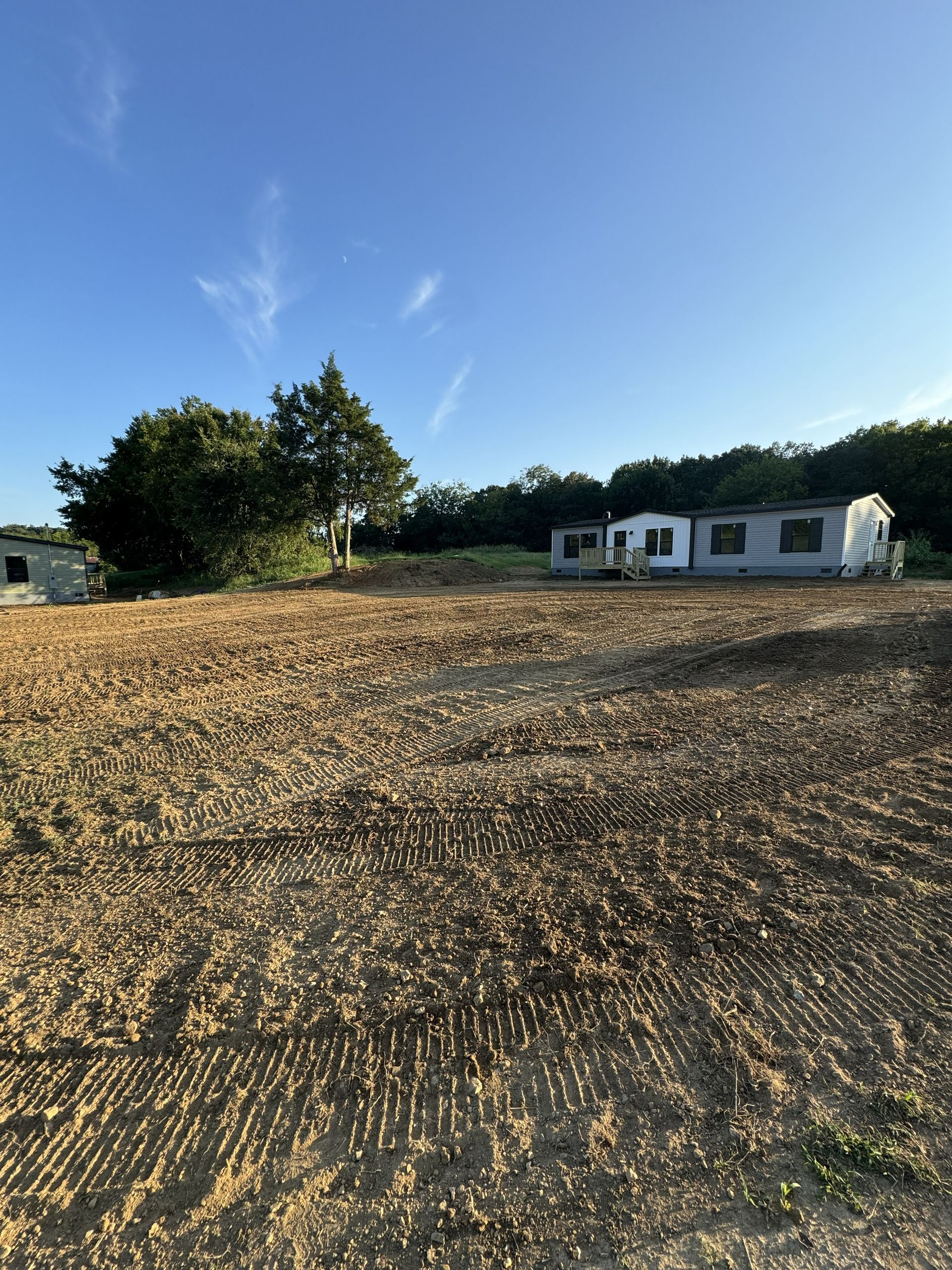
Grading involves reshaping soil to create specific slopes that move water away from structures and toward drainage features. The process combines excavation, soil shaping, and compaction techniques, with drainage planning and erosion control integrated into the grading work to stabilize slopes and direct water flow. Proper grading prevents standing water and ensures that rain moves downhill without cutting channels into the surface.
Arrange an on-site consultation to review grading requirements for your property's terrain and drainage needs.
The grading process starts with surveying the site to identify high and low points, existing drainage paths, and areas where water currently pools or erodes. Soil is then cut from high areas and moved to low spots, or removed entirely if unsuitable for compaction. Each layer of fill is compacted to prevent settling, and final slopes are shaped to direct water toward swales, culverts, or natural drainage routes.
After grading is finished, water flows consistently downhill without pooling near buildings or cutting new erosion channels. Driveways shed water to the sides, yards slope away from foundations, and low areas no longer collect standing water after rain. The surface is stable enough to support gravel, concrete, or landscaping without settling or shifting over time.
Grading work includes soil movement, compaction, and drainage shaping. It does not include installing underground drainage pipes or culverts unless specified. Sites with heavy clay or rock may require additional excavation to reach stable soil for compaction.
Common Questions About This Service
Grading questions typically involve process steps, timing considerations, and how local terrain affects the work.
What happens during the initial site survey?
The property is measured for elevation changes, existing drainage paths, and soil conditions. These measurements determine how much soil needs to be moved and where slopes should be directed.
How much slope is required for proper drainage?
Most sites require a minimum slope of two percent away from structures, which means a drop of at least two inches over ten feet. Steeper slopes may be needed depending on soil type and runoff volume.
Why does Seymour terrain make grading more challenging?
Foothills terrain includes natural slopes that concentrate runoff and clay soils that erode easily. Grading must account for both the existing slope and the soil's tendency to wash away during heavy rain.
How is compaction verified after grading?
Compacted soil resists movement when walked on and doesn't shift under equipment weight. Proper compaction prevents settling that would create new low spots and drainage problems.
What drainage features are included in grading work?
Grading shapes the soil to direct water toward designated drainage areas. Additional features like swales, berms, or culverts can be added depending on the volume of runoff and site layout.
Knoxville Land Management handles grading from initial site survey through compaction and drainage verification, using skid steers and excavation equipment for precision site work. Request an estimate that accounts for your property's slope and soil compaction requirements.