
Site Work That Addresses Real Drainage Problems
Excavation Services in Seymour for site prep, grading, and drainage issues caused by foothills terrain and clay soils
Seymour's foothills terrain and clay soils create drainage and slope stability challenges that require careful excavation planning. Knoxville Land Management provides excavation for site prep, grading, drainage, and land development across residential and commercial projects in Seymour and East Tennessee. Improper grading on sloped terrain leads to erosion channels and foundation problems that show up within months of construction.
Excavation work involves cutting, moving, and compacting soil to create stable building surfaces and manage water flow. Clay soils in this region hold water and shift under load, which is why excavation must account for drainage paths and compaction standards before concrete or gravel goes down. The process ties directly into grading and erosion control to prevent slope failure after heavy rain.
Schedule a site evaluation to identify excavation requirements based on your property's slope and soil conditions.
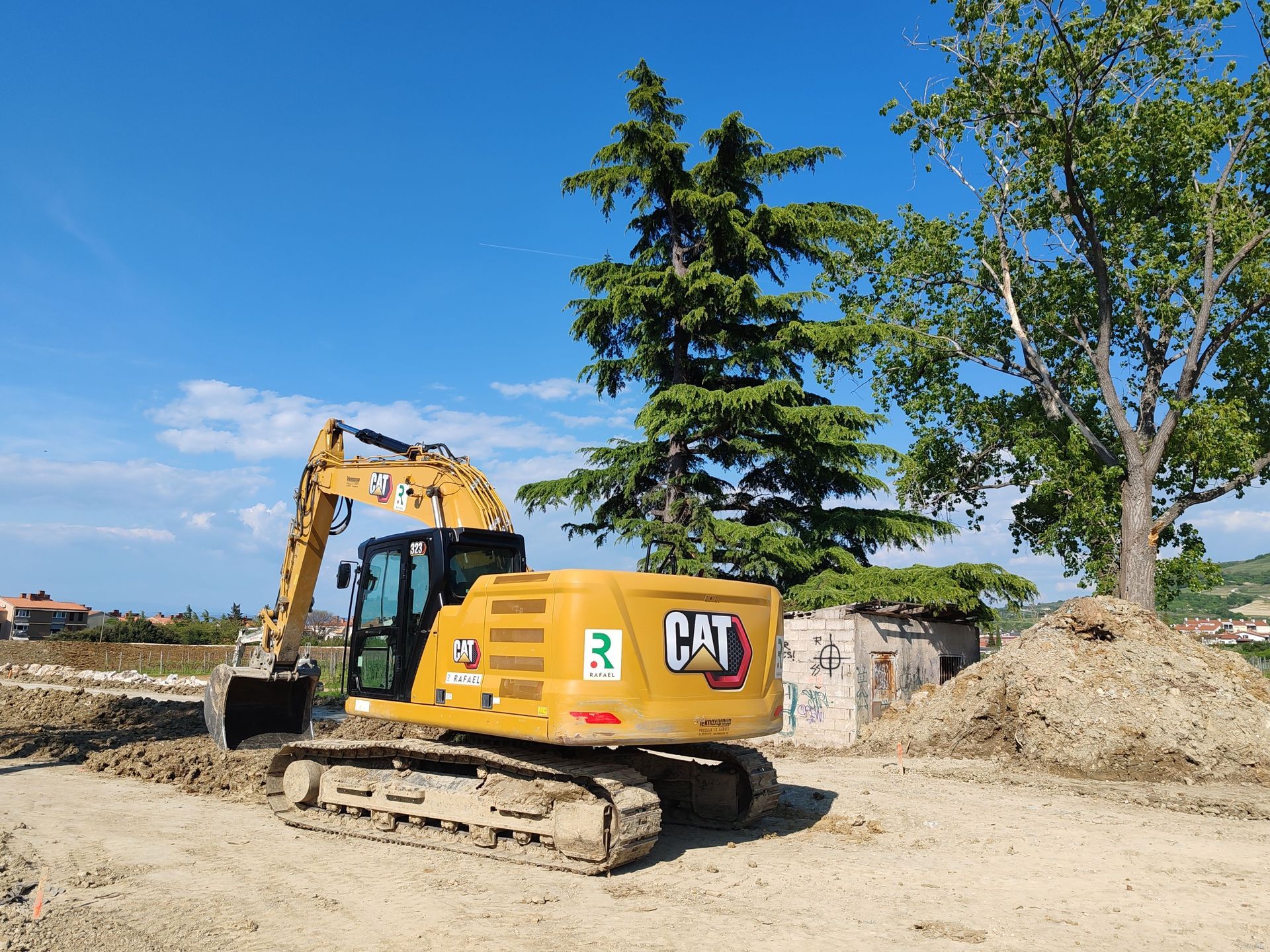
Knoxville Land Management uses skid steers and excavation equipment sized for precise cuts and efficient soil movement. The equipment handles both rough excavation for foundations and detailed grading for drainage features, with careful attention to compaction layers that prevent settling. Excavation depth and width depend on the building plan, but every project includes slope management to keep water moving away from structures.
Once excavation is complete, you'll see defined building pads with stable edges, clear drainage paths that direct runoff downhill, and compacted surfaces ready for gravel or concrete work. Water no longer pools in low spots, and the grade prevents erosion channels from forming during storms. The site is ready for the next phase of construction without rework or additional fill material.
Excavation work includes removal of unsuitable soil, shaping to specified grades, and compaction verification. It does not include hauling debris off-site unless specifically requested. Projects involving rock removal or extensive fill may require additional equipment and time depending on site conditions.
What Property Owners Usually Ask
Questions about excavation work often focus on process, timing, and how the terrain affects the approach.
What preparation happens before excavation begins?
The site is surveyed for slope, soil type, and drainage patterns. Utility locations are marked, and access routes for equipment are cleared to prevent damage to surrounding areas.
How does clay soil in Seymour affect excavation?
Clay holds water and requires careful compaction to prevent settling. Excavation in clay soils includes drainage features and may involve removing saturated material before compaction can begin.
What equipment is used for excavation work?
Skid steers handle most residential and small commercial excavation, allowing precise cuts in tight spaces. Larger projects may require additional excavation equipment depending on depth and volume of soil movement.
When should excavation be scheduled?
Excavation works best when soil is dry enough to compact properly. Scheduling after extended rain delays compaction and increases the risk of slope instability during the work.
What's included in excavation for site prep?
Excavation includes cutting to grade, removing unsuitable soil, shaping drainage paths, and compacting surfaces. Grading and erosion control are coordinated with excavation to stabilize the entire site.
Knoxville Land Management recently purchased skid steer equipment specifically for excavation, gravel work, and land clearing, making it possible to handle complete site stabilization from initial cuts through final grading. Request a detailed estimate based on your site's soil conditions and grading requirements.